
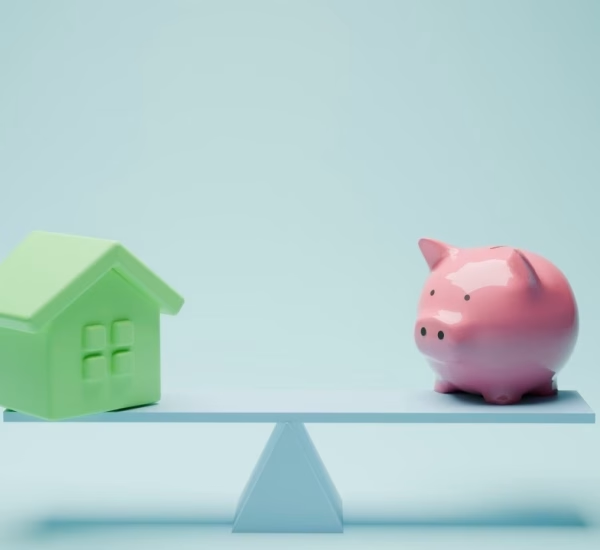
Buying a home on a tight budget can feel like standing outside a locked door while everyone else seems to have the key. Prices move, fees pile up, and one careless decision can drain money you spent years saving. That is why buyers with limited budgets need more than optimism; they need a sharper way to choose, compare, and negotiate. A lower budget does not make you powerless, but it does punish vague thinking faster than a larger one. Before you fall in love with a kitchen, a balcony, or a bigger yard, you need to know what the home will cost after the excitement fades. Good buying decisions often come from small details: the street behind the property, the repair history, the monthly bills, and the terms buried in the deal. For wider property insights and market visibility, resources such as real estate visibility platforms can help buyers think beyond the listing page. The goal is not to buy the cheapest place. The goal is to buy a home that still feels affordable after you move in.
Build the Budget Around Real Life, Not the Listing Price
A listing price tells only part of the story, and sometimes it tells the least useful part. The number that matters is the one you can live with after the mortgage payment, taxes, repairs, insurance, moving expenses, and daily life all take their share. Many buyers lose control because they build their plan around the maximum amount a lender might allow instead of the amount their life can absorb without stress.
Why budget home buying starts before house hunting
Budget home buying begins before you open listings because the first limit should come from your life, not the market. Write down what you spend in a normal month when nothing dramatic happens, then add the costs that homeownership brings into the room. A rent payment and a mortgage payment may look similar on paper, but ownership adds leaks, service calls, lawn care, appliances, taxes, and surprise repairs.
A buyer looking at a small townhouse, for example, may compare the mortgage to their current rent and feel safe. Then the homeowners association fee, higher utility bills, and a needed water heater change the picture. The home did not become unaffordable overnight; the buyer simply failed to count the costs that were always waiting.
A better budget leaves breathing room. That room is not wasted money. It is protection against panic, and panic is expensive.
How to protect cash after the down payment
A strong down payment feels satisfying, but emptying your savings to make it happen can leave you trapped. Homes demand cash after closing, often at the worst possible moment. A broken garage door, a plumbing issue, or a tax adjustment does not care that you “planned carefully.”
Keep a separate reserve that survives the purchase. This should cover the first wave of repairs, setup costs, and routine surprises that come with moving. Even a clean inspection cannot promise that every system will behave for the next twelve months.
This is where discipline matters more than ambition. Buying a slightly smaller home while keeping cash in hand often creates a better first year than buying at the edge and hoping nothing goes wrong. Hope makes a poor financial plan.
Real Estate Tips That Help You Find Value Others Miss
The best deals are not always the loudest listings. Some homes sit quietly because they photograph poorly, need cosmetic updates, or sit in an area buyers have not learned to value yet. Real Estate Tips that work for price-conscious buyers often focus on seeing what others ignore, not chasing what everyone already wants.
How affordable homes hide behind imperfect presentation
Affordable homes often look less exciting online because sellers may not stage them, photograph them well, or describe them with polished language. A dim photo of a solid house can scare away casual buyers, while a bright photo of a weak property can attract a crowd. Presentation influences emotion, but it does not always reflect value.
Look for homes with fixable flaws: old paint, dated cabinet handles, worn carpets, plain landscaping, or cluttered rooms. These issues can make a listing feel tired without changing the bones of the property. A buyer who can see past visual noise may find a home with a fair price and fewer competing offers.
The trick is knowing the difference between ugly and risky. Ugly can be painted. Risky can drain your account.
Why smaller compromises beat large regrets
Every buyer compromises, but not every compromise carries the same cost. Choosing one less bedroom may be manageable for years, while choosing a home with a long, costly commute can wear you down every week. Accepting an older kitchen may be fine; accepting poor drainage can become a recurring bill.
Rank compromises by how hard they are to change. Location, layout, sunlight, parking, and noise are difficult or costly to fix. Paint, lighting, flooring, and fixtures are easier. A buyer with a limited budget should treat permanent weaknesses with caution and temporary weaknesses as opportunity.
A real example makes this clear. A buyer who skips a dated but well-kept home near work may end up choosing a newer place farther out, then spend thousands each year on fuel, time, and vehicle wear. The cheaper-looking option can become the expensive one when life keeps billing you.
Check the Deal Beyond the Monthly Payment
A monthly payment can look friendly while the full deal quietly works against you. Loan terms, insurance, taxes, maintenance needs, and fees decide whether a home stays affordable. Smart buyers slow down at this stage because this is where the wrong decision hides behind polite paperwork.
Why mortgage preapproval changes your buying position
Mortgage preapproval gives you a clearer price range and makes your offer stronger when sellers compare buyers. It also forces a useful money conversation before emotions take over. Once you know what a lender sees, you can decide whether that number fits your life or pushes you too close to the edge.
A preapproval is not permission to spend the full amount. It is a ceiling, not a recommendation. The lender may approve a payment that leaves too little room for travel, savings, family needs, or emergencies. Your comfort line should sit below your approval line.
Buyers who handle mortgage preapproval early also avoid wasting time on homes that were never realistic. That matters because emotional fatigue leads to poor choices. The more homes you chase outside your range, the easier it becomes to talk yourself into a bad fit.
How closing costs change the final number
Closing costs can shock buyers who focus only on the down payment. These expenses may include lender fees, title charges, inspections, appraisal costs, prepaid taxes, insurance, and recording fees. They arrive near the finish line, exactly when buyers already feel stretched.
Ask for an estimate early and update it as the deal changes. A small shift in loan type, property tax, insurance rate, or seller agreement can affect the final cash needed. Do not wait until closing week to learn whether the numbers still work.
There is room to negotiate in some deals. A seller may agree to contribute toward closing costs, especially if the property has been on the market for a while or needs updates. That concession may help more than a small price drop because it protects your cash at the moment you need it most.
Choose a Home That Will Stay Affordable After Move-In
The purchase day gets all the attention, but the years after it decide whether you made a sound choice. A home that strains your budget every month can turn pride into pressure. A better target is a property that gives you stability, room to improve over time, and fewer costly surprises.
How property condition affects long-term affordability
Property condition matters because repairs do not arrive in neat, friendly order. A roof near the end of its life, an aging furnace, weak electrical work, or water stains in the basement can turn a bargain into a burden. Some issues are normal for older homes, but normal does not mean cheap.
Bring patience to the inspection process. Read the report carefully, ask questions, and separate immediate repairs from future maintenance. A home with a few visible flaws may still be a better purchase than a polished home hiding old systems behind fresh paint.
Affordable homes become safer choices when the biggest systems still have useful life left. Cosmetic updates can wait. A failing roof usually cannot.
Why neighborhood costs matter more than curb appeal
Neighborhood choice affects your money every month. Commute costs, school access, grocery options, parking rules, insurance rates, local taxes, and transit availability all shape the true price of living in a home. A pretty front porch cannot cancel out a daily routine that costs too much.
Walk or drive the area at different times. A street that feels calm at noon may feel different after work hours. Check how far you must travel for basic errands, how parking works at night, and whether future development might help or hurt the area.
Budget home buying works best when the home and the lifestyle fit together. A low price loses its charm when every ordinary task becomes costly or inconvenient. The right property should support your life instead of asking you to keep making excuses for it.
Conclusion
A smaller budget forces clarity, and that can become an advantage when you use it well. Buyers with more money sometimes hide weak decisions behind larger loans, bigger deposits, and easier approvals. You may not have that cushion, but you can have something better: sharper judgment. The strongest move is to stop treating the asking price as the whole story and start judging each property by the life it creates after closing. Real estate tips for buyers with limited budgets only work when they protect both your savings and your peace of mind. Look at the monthly cost, the repair risk, the neighborhood pattern, and the cash you will still have after the keys are yours. Do not chase the home that impresses other people. Choose the one that lets you sleep well, pay your bills, and build from a position of control. Start by setting your real number before you look at another listing.
Frequently Asked Questions
What are the best real estate tips for first-time buyers on a small budget?
Start with a monthly payment you can handle without draining your savings. Then compare homes by total cost, not listing price. Focus on condition, location, taxes, insurance, and repair risk before style or size pulls you into a poor choice.
How can buyers find affordable homes without settling for bad properties?
Search for homes with cosmetic flaws rather than structural problems. Old paint, dated fixtures, and plain landscaping can be fixed over time. Foundation issues, water damage, unsafe wiring, and failing roofs require much more caution because they can destroy your budget.
Why is mortgage preapproval important for low-budget home buyers?
Mortgage preapproval shows your realistic buying range and helps sellers take your offer seriously. It also keeps your search focused. Treat the approved amount as a limit, not a spending goal, because your personal comfort level may be lower.
What closing costs should budget-conscious buyers expect?
Closing costs often include lender fees, appraisal charges, title services, prepaid taxes, insurance, inspections, and recording fees. Ask for estimates early and keep extra cash available so these expenses do not force you into credit card debt after closing.
How much emergency savings should home buyers keep after purchase?
Keep enough savings to handle early repairs, moving expenses, and surprise bills without panic. The exact amount depends on the home’s age and condition, but spending every available dollar at closing leaves you exposed from day one.
Are cheaper homes always better for buyers with tight budgets?
Cheaper homes are not always better. A low price can hide high repairs, poor location, steep taxes, or costly utilities. The better choice is the home with the lowest long-term strain, not the lowest number on the listing page.
How can budget home buying work in a competitive market?
Move faster on homes that fit your numbers, but never skip careful review. Strong preapproval, flexible closing terms, and clean offers can help. Avoid bidding wars that push the home beyond your safe monthly payment.
What should buyers avoid when looking at affordable homes?
Avoid ignoring inspection concerns, underestimating repair costs, and choosing a location that makes daily life expensive. A home should solve a housing need without creating constant financial pressure. The wrong bargain can cost more than the right modest choice.