Buying a home can feel strange because the price tag is only the beginning of the story. The number you agree to today matters, but the bigger question is what that property may be worth after years of ownership, market shifts, neighborhood changes, and patient decision-making. That is where property appreciation becomes more than a real estate phrase; it becomes a way to judge whether your money is sitting still or slowly gaining strength. Good buyers do not treat future value as a lucky bonus. They study it before they commit, using local data, practical judgment, and trusted property research resources to understand the forces shaping tomorrow’s price. A house can look perfect during a showing and still struggle to grow in value. Another may seem plain at first glance yet sit in the path of future demand. The difference is rarely obvious from paint, staging, or a sunny kitchen window. It lives in patterns.
What Property Appreciation Really Means for Buyers
Property appreciation is not magic, and it is not guaranteed. It means a property gains value over time because buyers in the future are willing to pay more for it than buyers would pay today. That rise can come from location, demand, land scarcity, income growth, improved amenities, or changes in how people want to live. The trap is thinking price growth happens evenly. It does not. Two homes on nearby streets can move in different directions because one has stronger access, better zoning, cleaner surroundings, or a more stable buyer pool.
How home value growth builds slowly before it looks obvious
Home value growth often starts before the average buyer notices it. A new school boundary, a planned transit stop, or a steady wave of small renovations can begin changing buyer behavior years before prices jump on listing portals. By the time everyone is talking about a “hot area,” the smartest early gains may already be gone.
This is why you need to watch the boring signs. Look at how long homes sit unsold, whether buyers are paying close to asking price, and whether older properties are being repaired instead of ignored. A neighborhood where owners keep investing their own money often tells you something valuable. People do not replace roofs, improve kitchens, and plant trees where they feel the area is dying.
The counterintuitive point is that the prettiest home is not always the strongest grower. A polished property in a flat area may rise less than an average home in a district gaining new demand. Beauty sells the visit. Demand carries the years.
Why real estate appreciation can differ from simple price increases
Real estate appreciation is not the same as any price increase you see on paper. A property may cost more today because of inflation, higher construction costs, or a short-term supply shortage. That does not always mean it has become a stronger asset. Real growth should leave you with more value after you account for carrying costs, repairs, taxes, and the wider market.
This matters because buyers often celebrate a higher resale price without asking what it took to get there. If you spent heavily on upgrades, paid years of high maintenance, and sold only slightly above your total cost, the gain may look better than it feels. Real wealth is not built from headline numbers. It comes from net outcomes.
A useful way to think about it is simple: price is what someone pays on closing day, while value is the strength that supports that price. Strong value attracts demand even when the market cools. Weak value depends on excitement, and excitement does not pay your mortgage when buyers get cautious.
The Local Forces That Shape Future Value
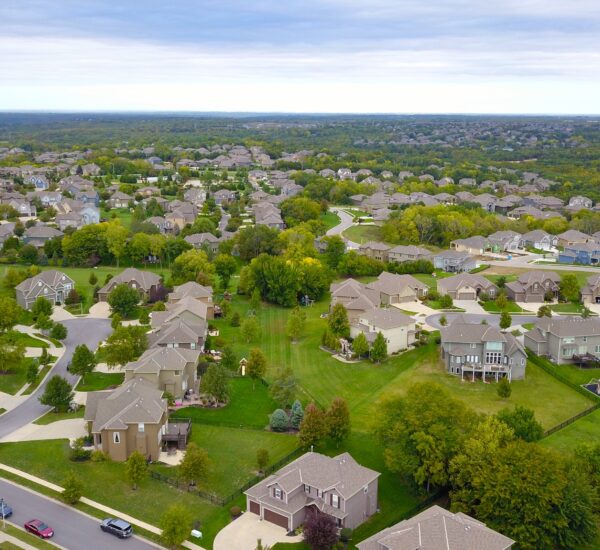
Once you understand the basic idea, the next layer is location behavior. A property does not grow in isolation. It moves with the street, the district, the city, and sometimes the wider economic mood. Property market trends are not abstract charts for analysts; they show up in open houses, commute times, school demand, rental listings, and the small choices families make every week. A smart buyer reads those signals before the market turns them into higher prices.
Why property market trends matter more than national headlines
National headlines can scare buyers or make them careless, but local property market trends usually tell the more useful truth. A countrywide slowdown does not affect every area in the same way. One city may struggle while another keeps gaining because jobs are moving there, supply is tight, or families want access to certain schools.
You should study the smallest market you can. A citywide average may hide the fact that one pocket is rising while another is stuck. Even within a neighborhood, homes near a busy road may perform differently from homes five minutes away on quieter streets. Real estate is local, then local again, then local one more time.
The best clue is repeated demand. If different types of buyers keep wanting the same area across different market cycles, that place has deeper strength than a neighborhood carried by one temporary trend. Fashion fades. Daily usefulness lasts.
How infrastructure, jobs, and schools change long-term property value
Long-term property value grows when an area becomes easier, safer, or more rewarding to live in. A new road can reduce commute stress. A better school can bring steady family demand. A hospital, business park, or university can create renter interest and buyer confidence. These changes do not always raise prices overnight, but they can reset how people judge the area.
You still need caution. Not every announced project becomes a price booster. Some plans stall, shrink, or bring side effects such as traffic and noise. A train station sounds attractive until you realize the property backs onto the loudest part of the line. Growth has texture, and buyers who ignore that texture overpay.
A better approach is to ask who benefits from the change. If the improvement helps daily life for a wide group of people, it may support value. If it sounds impressive but changes little for actual residents, treat it as a talking point, not a reason to pay more.
How Property Condition Affects Appreciation Over Time
Numbers and maps matter, but the physical home still has a vote. A strong location can be weakened by a property with hidden defects, poor layout, or repair costs that eat future gains. Appreciation over time works best when the home’s condition supports the market’s direction instead of fighting it. You are not buying a chart. You are buying walls, pipes, soil, wiring, drainage, and a layout future buyers must also accept.
Why maintenance protects home value growth better than flashy upgrades
Home value growth depends more on preserved quality than dramatic upgrades. A house with a sound roof, dry walls, working systems, and clean documentation often beats a heavily decorated home with neglected basics. Buyers may admire a new countertop, but they fear water damage, electrical issues, and structural repair bills.
This is where many owners make expensive mistakes. They spend on visible changes while ignoring the parts that keep the property stable. A shiny bathroom cannot rescue a home with poor drainage. Fresh paint will not hide the cost of replacing old plumbing once a careful buyer brings an inspector.
The smartest improvements reduce future resistance. Fix what buyers worry about before you chase what they might admire. A well-kept home gives the next buyer fewer reasons to negotiate hard, and that can protect your gain when it is time to sell.
How layout and land can beat cosmetic perfection
A property with a practical layout can age better than one with trendy finishes. Room sizes, natural light, storage, parking, and outdoor usability shape how people live every day. Finishes can be changed. A cramped floor plan fights back.
Land also matters in ways many buyers underestimate. A slightly older home on a better plot may have more future strength than a newer home squeezed into an awkward site. Usable land gives owners options: extensions, gardens, parking, privacy, or future redesign. Options create value because future buyers can imagine more than one version of life there.
The hidden lesson is that permanent features deserve more weight than temporary style. You can replace flooring. You cannot easily move the home away from a flood-prone corner, widen a narrow lot, or bring sunlight into a dark structure without serious cost.
How to Judge Appreciation Before You Buy
A good purchase decision turns scattered clues into a clear view. You do not need to predict the future perfectly, because no buyer can. You need to avoid lazy assumptions and build a disciplined opinion from evidence. Real estate appreciation rewards buyers who think in layers: current price, local demand, property condition, future usability, and exit strategy. The goal is not to find a perfect property. The goal is to buy one whose strengths can survive time.
What comparable sales reveal when you read them correctly
Comparable sales are useful only when you treat them as evidence, not decoration. A nearby sale does not automatically prove your target property deserves the same price. You must compare size, condition, lot quality, street position, renovation level, parking, and timing. A sale from six months ago may already be stale in a fast-moving market.
The deeper value lies in patterns across several sales. If similar homes keep selling faster and closer to asking price, demand is active. If sellers keep cutting prices, buyers may be pushing back. One sale can mislead you. A pattern is harder to fake.
You should also look at failed listings. Homes that did not sell tell you where the market refused to agree. That information can be more useful than a record-breaking sale, because it shows the ceiling buyers would not cross.
Why your exit strategy should guide today’s offer
Your future buyer should be part of your thinking before you make today’s offer. A home that suits only a narrow group may be harder to sell, even if it works for you. A property with broad appeal gives you more ways out when life changes. Families, renters, downsizers, and first-time buyers all value different things, but some homes speak to more than one group.
This does not mean buying bland property. It means avoiding features that shrink your resale audience without giving enough benefit in return. Odd layouts, limited parking, poor access, noisy surroundings, and heavy repair needs can all reduce the pool of future buyers. A discount may justify those flaws, but only if the price reflects them honestly.
Long-term property value comes from discipline at the start. Pay too much, and even a decent property must work harder to reward you. Buy with patience, and time becomes your partner instead of your excuse.
Conclusion
Future value is never a promise, but it is not a mystery either. The signs are usually there for buyers willing to slow down and read them with care. Strong locations show repeated demand. Solid homes protect their worth through condition, layout, and usable land. Sensible prices leave room for the market to work instead of forcing you to depend on luck. The buyer who understands appreciation over time does not chase hype or panic over every headline. That buyer studies the ground beneath the price. Before you commit, compare the property against local demand, repair exposure, resale audience, and the strength of the surrounding area. Then make an offer that still makes sense if the market gets less friendly. Patient judgment will not make every purchase perfect, but it will keep you from confusing excitement with value.
Frequently Asked Questions
What causes property value to increase over time?
Value rises when more buyers want a property and supply cannot keep up with that demand. Location, job access, schools, safety, transport, land scarcity, and property condition all play a role. The strongest gains usually come from several of these forces working together.
How can buyers estimate future home value growth?
Start with recent comparable sales, then study local demand, planned infrastructure, school appeal, rental activity, and neighborhood upkeep. No estimate will be perfect, but a pattern across several signals gives you a better view than relying on asking prices alone.
Why do some homes appreciate faster than others?
Some homes sit in stronger demand paths. Better streets, usable layouts, lower repair risk, parking, land size, and access to daily needs can all attract more future buyers. Small differences can create large price gaps over many years.
Do renovations always increase real estate appreciation?
Renovations help when they solve real buyer concerns or improve daily use. They disappoint when they are too personal, overpriced, or focused on style while basic maintenance is ignored. Repairs that protect structure and function often matter more than cosmetic upgrades.
How do property market trends affect buying decisions?
Market trends show whether buyers are gaining confidence, pulling back, or competing harder for limited homes. Studying sale times, price reductions, rental demand, and buyer activity helps you decide whether a price is fair or inflated.
Is location more important than property condition?
Location usually has the stronger long-term effect, but condition still matters. A great area cannot fully protect a home with serious defects or costly repairs. The best purchase combines a sound location with a property that future buyers will not fear.
What is a realistic time frame for long-term property value?
A five-to-ten-year view gives a property more room to move through market cycles. Shorter periods can be affected by interest rates, buyer mood, and local supply shifts. Longer holding periods often give quality locations more time to prove themselves.
How can first-time buyers avoid overpaying for future growth?
Compare sold prices, not seller hopes. Check repair costs, study the street, review local demand, and ask whether future buyers will want the same property. Growth potential matters, but it should never become an excuse to ignore today’s price.