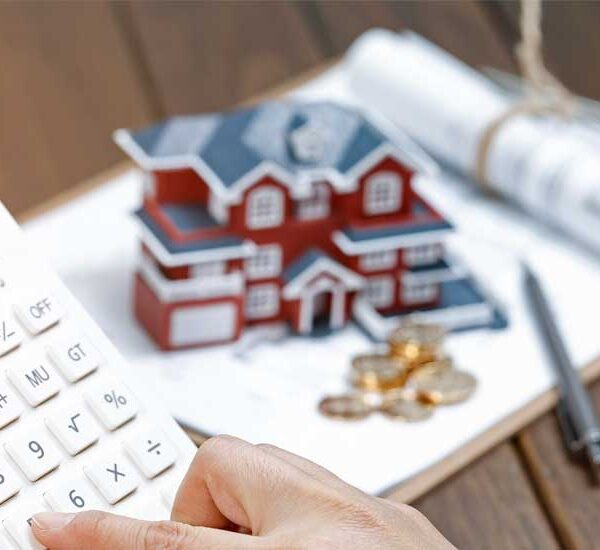

Owning a place changes the way you see every dollar you spend. Rent starts to feel temporary, listings start to look personal, and the idea of buying your first apartment can shift from exciting to stressful in a single afternoon. The mistake many new buyers make is thinking the search begins with floor plans, views, and polished kitchen photos. It does not. It begins with knowing what kind of life the apartment has to support, what risks you can carry, and what numbers still make sense after the glow wears off.
A good purchase is not the one that looks perfect during a ten-minute viewing. It is the one that still feels wise after bills, repairs, commute patterns, building rules, and resale value enter the room. First-time buyers often need plain guidance more than dramatic advice, and that is where trusted property insights and resources such as real estate market guidance can help you think beyond the listing page. The goal is not to buy fast. The goal is to buy with enough clarity that you do not spend the next five years explaining away a rushed decision.
Set Your Money Boundaries Before Buying Your First Apartment
Money is the part of apartment buying that people think they understand until the small costs start forming a crowd. The listing price gets all the attention, but ownership lives in the monthly details: service charges, repairs, taxes, insurance, furnishing, moving costs, and the awkward surprises nobody mentions at the open house. A strong budget does not kill the dream. It protects the dream from turning into a monthly argument with your bank account.
Build an apartment budget around real life, not bank approval
A bank may approve you for more than you should spend, because a lender studies risk from its own side of the table. You have to study it from yours. Your apartment budget should leave room for groceries, transport, medical costs, family needs, savings, and small joys that keep life from feeling like a punishment.
The smarter move is to test the payment before you commit. Put the expected mortgage or loan payment, service fee, and utility estimate into a separate account for three months while you still live where you are. If that test makes your normal life feel tight, the apartment budget is already warning you before a contract can trap you.
New buyers often forget that the first year of ownership is heavier than later years. Curtains, appliances, basic tools, minor repairs, cleaning, and building deposits arrive close together. A clean apartment budget includes a move-in cushion, because empty rooms have a way of asking for money in a calm voice.
Treat closing costs as part of the price
Closing costs are not a side note. They are part of the purchase, and pretending otherwise makes the apartment seem cheaper than it is. Legal fees, registration charges, valuation fees, agent commissions, loan processing costs, and taxes can change how much cash you need before you even receive the keys.
A buyer who saves only for the down payment walks into the deal with a weak hand. When closing costs appear late, that buyer may borrow poorly, drain emergency savings, or accept bad terms to keep the deal alive. That pressure is avoidable if you ask for a written estimate early and keep a separate reserve for it.
There is a quiet confidence that comes from knowing your ceiling before negotiations begin. You stop chasing homes that only work in theory, and you stop mistaking approval for affordability. That discipline may feel dull at first, but dull numbers often create peaceful homes.
Judge the Building Before You Judge the View
Once money has boundaries, the apartment itself has to face a harder test than charm. Fresh paint, staged furniture, and bright afternoon light can make a weak property look better than it is. The building tells the deeper story. Elevators, hallways, drainage, maintenance records, neighbors, security, and management habits reveal whether the place is cared for or only dressed up for sale.
Read the building like a long-term resident would
A good building has small signs of order. Common areas stay clean without looking newly scrubbed for visitors. Notice boards carry current information. Lights work in stairwells. Waste areas do not smell neglected. Security staff can explain visitor rules without inventing answers on the spot.
A weak building also leaves signs, though sellers hope you miss them. Water stains near ceilings, cracked tiles in corridors, noisy pumps, broken intercoms, and tired elevators all speak. One issue may not matter, but a cluster of them tells you the residents may be paying fees without getting proper care in return.
Visit at different times if you can. A peaceful building at noon can feel different at 9 p.m., when parking fills, children play in corridors, delivery riders come and go, and neighbors return from work. Daylight shows surfaces; evening shows rhythm.
Use an apartment inspection to slow down your emotions
An apartment inspection is not only about finding defects. It is about forcing the buying process to pause long enough for your excitement to cool. That pause matters because emotional buyers tend to minimize problems they would judge harshly in someone else’s purchase.
Look beyond the obvious rooms. Check water pressure in taps and showers, open and close windows, test switches, inspect under sinks, look for damp corners, and ask about previous leaks. A proper apartment inspection should also cover ventilation, electrical panels, balcony safety, flooring, and signs of poor repairs.
Bring someone who is less emotionally invested. A friend, contractor, or experienced relative may notice what you ignore because you already imagined your sofa against the wall. The best second opinion is not negative. It is clear-eyed.
Choose Location for Your Actual Week, Not Your Fantasy Weekend
After the building passes the first test, the neighborhood has to prove itself. Many buyers choose location based on a weekend mood: a café nearby, a pleasant street, a nice view, or a short visit during low traffic. Real location quality shows up on ordinary days, when work runs late, rain hits, parking is tight, and you need medicine, groceries, or a safe ride home.
Test daily movement before trusting the map
Maps lie by being too clean. A fifteen-minute drive on a quiet afternoon can become forty minutes when schools open, offices close, or one main road gets blocked. Before you buy, travel from the apartment to work, family, school, or the places you visit often at the times you would actually move.
Public transport deserves the same test. A station that looks close may involve a dark walk, broken pavement, or unsafe crossings. Ride options may also change late at night, which matters if your job, social life, or family duties do not follow neat hours.
The hidden cost of a bad location is not only money. It is tiredness. A home that drains you every morning and evening slowly turns from achievement into burden, even if the apartment itself looks fine.
Study the neighborhood like a future seller
A first home still needs an exit plan. You may live there for years, but life can move faster than ownership plans: marriage, children, job changes, family needs, or a better opportunity can force a sale or rental. That is why resale value should shape your thinking from day one.
Look for signs that demand will stay healthy. Nearby schools, transport links, hospitals, offices, grocery stores, and safe streets tend to support resale value because they solve daily problems for many types of buyers. A pretty apartment in an awkward location has a smaller audience when it is time to sell.
Pay attention to future development, too. A planned road, mall, transit stop, or business district can help, but not every project is a gift. Construction noise, blocked access, traffic pressure, and overbuilt supply can hurt comfort for years before any benefit arrives. The best location is not the loudest promise. It is the one that already works.
Negotiate With Patience and Buy With a Plan
Once you find a place that fits your money, building standards, and daily life, the final stage tests your nerve. Sellers, agents, relatives, and even your own impatience can push you toward speed. Patience is not hesitation. It is control, and control matters most when the finish line feels close.
Let mortgage approval shape your offer, not your ego
Mortgage approval gives you structure, but it should not make you reckless. A buyer who treats approval as permission to spend the maximum often loses flexibility before ownership even begins. Better buyers use approval as a boundary, then negotiate inside it with discipline.
Ask the lender about rate type, repayment changes, penalties, insurance, and what happens if your income shifts. Mortgage approval is only useful when you understand the conditions attached to it. A low payment today can become painful later if the structure changes and you did not read the fine print.
Your offer should reflect both the apartment and the risk you are taking. If the unit needs repairs, the building has weak records, or similar apartments have sold for less, your price should say so. Negotiation is not about winning a performance. It is about refusing to pay for problems the seller wants to leave behind.
Plan the first year before you collect the keys
The first year sets the tone for ownership. Create a short plan for repairs, furniture, documents, service contacts, and emergency savings before moving in. That plan keeps you from spending on decoration while ignoring matters that protect the property.
Start with safety and function. Locks, electrical fixes, leaks, pest control, appliance checks, and insurance should come before style upgrades. A beautiful lamp means little if the bathroom ceiling starts dripping two weeks after you move in.
Keep every document organized from the start. Sale agreement, payment receipts, building rules, tax records, warranties, inspection notes, and loan papers should live in one secure place. Future you will thank present you when a fee dispute, repair claim, refinance, or resale question appears.
Buying your first apartment is not a race toward keys; it is a decision about the life you are willing to fund, maintain, and grow inside. The right choice will not remove every future problem, but it will give you enough stability to handle problems without regret taking over. Treat the process with patience, ask dull questions, inspect what others ignore, and refuse to let pressure make your standards smaller. Good buyers are not lucky. They are prepared before excitement gets loud. Start by writing your real budget, booking a serious inspection, and viewing every apartment through the lens of daily life rather than wishful thinking.
Frequently Asked Questions
How much money should I save before buying my first apartment?
Save enough for the down payment, closing costs, moving expenses, basic furnishing, and at least three to six months of living costs. The safest buyers do not spend every saved dollar at closing, because the first year often brings repairs, setup costs, and fee surprises.
What should first-time apartment buyers check during a viewing?
Check water pressure, damp marks, electrical points, window condition, ventilation, noise, storage, natural light, and the condition of shared spaces. A viewing should test how the apartment works, not only how it looks during a short visit.
Why are closing costs important when buying an apartment?
Closing costs can add a large cash requirement beyond the down payment. Legal fees, taxes, registration, valuation, loan charges, and agent fees may arrive close together, so planning for them early prevents last-minute borrowing or rushed financial decisions.
How can I know if an apartment building is well managed?
Look at cleanliness, working elevators, security habits, repair speed, lighting, waste areas, and communication from management. Ask for maintenance fee records and recent repair history. A well-managed building usually feels orderly before anyone tries to explain it.
Is location more important than apartment size?
Location often matters more because it affects commute, safety, resale demand, rental appeal, and daily comfort. A larger apartment in a weak location can become frustrating, while a smaller place in a practical area may support your lifestyle better.
Should I get mortgage approval before looking at apartments?
Yes, early mortgage approval helps you understand your price range and shows sellers you are serious. It also helps you compare loan terms before emotions enter the purchase, which makes your search calmer and your offers more realistic.
What mistakes do first-time apartment buyers make most often?
Common mistakes include trusting listing photos, ignoring service fees, skipping inspection, underestimating closing costs, choosing location emotionally, and spending the full approved loan amount. Most regrets come from rushing past boring details that later become expensive.
How do I choose between two apartments I like?
Compare total monthly cost, building condition, commute, light, noise, storage, future resale demand, and repair needs. The better choice is not always the prettier one. Choose the apartment that fits your daily life and leaves you financially steady.