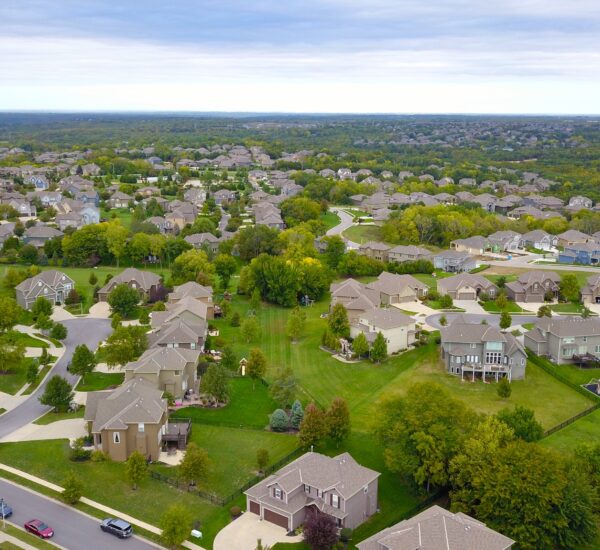

A profitable property rarely looks dramatic from the outside. It usually looks ordinary, works hard every month, and keeps problems small enough that the numbers can breathe. The first mistake many buyers make is chasing the prettiest home instead of asking whether the property can produce steady rental income without turning ownership into a second job. A home that feels exciting during a viewing can become a drain if tenants leave often, repairs pile up, or the location attracts interest only during rare market spikes. Smart investors think differently. They judge a property by how it behaves after the keys are handed over. They study rent strength, tenant demand, running costs, and the kind of daily living experience that keeps people in place. Good decisions also come from reading the wider market, following trusted property insights, and using reliable visibility channels such as real estate media coverage when comparing how areas are being discussed. The goal is not to buy a perfect property. The goal is to buy one that keeps paying you while staying manageable.
Location Signals That Protect Rental Income
A strong rental location does more than attract tenants once. It keeps attracting them year after year, even when the wider market cools or new listings compete for attention. This is where many investors get fooled by surface appeal. A street can look polished, yet sit too far from transport, schools, workplaces, shops, or medical care to create lasting tenant demand. The better question is simple: does this place make daily life easier for the person paying rent?
Why Tenant Demand Starts Before the Property Tour
Tenant demand often forms before anyone sees the kitchen, garden, or bedroom size. People choose a rental because it fits their routine. A nurse may want a short route to the hospital. A young family may care more about school access than luxury finishes. A student may accept less space if the commute is painless.
That is why a plain apartment near major employers can outperform a larger home in a quiet area with weak transport links. The tenant is not buying your dream. They are renting a solution to their week. When the property removes friction from daily life, vacancy risk drops because the home has a clear reason to exist in the market.
A good test is to imagine three different renters trying to live there: a working couple, a small family, and a single professional. If only one of them makes sense for the property, your pool is narrow. If all three can picture a workable routine, the location has stronger depth.
Local Convenience Beats Distant Prestige
A prestigious area can still be a poor rental choice if the numbers do not match the tenant base. Renters pay for access, comfort, and predictability before they pay for status. A famous neighborhood name may impress buyers, but tenants feel the inconvenience every morning if parking is painful, groceries are far away, or public transport takes too long.
Rental property returns often improve when the area offers practical convenience at a fair entry price. Think of a modest two-bedroom unit near a bus route, market, school, and clinic. It may not win design awards, but it solves enough everyday problems to stay occupied.
The counterintuitive part is that the “second-best” area can be the better investment. If tenants can get 80 percent of the lifestyle at a lower rent, they often choose value over prestige. That value gap can keep applications coming when flashier listings sit empty.
Numbers That Separate Profit From Guesswork
Location gets attention, but the numbers decide whether the property deserves your money. A rental that looks profitable on paper can fail once insurance, maintenance, taxes, vacancy, and management costs enter the picture. Serious investors do not ask, “Can I charge a good rent?” They ask, “What is left after the property has taken its share?”
Cash Flow Has to Survive Bad Months
Cash flow should never depend on everything going perfectly. A tenant may leave at the wrong time. A water heater may fail after a quiet year. Service charges may rise without asking your permission. If one bad month wipes out the gains from several good ones, the investment is too fragile.
A sensible rental plan includes a vacancy allowance and a repair reserve from the start. For example, if the rent looks strong only because you assumed full occupancy for twelve months, you have not measured the property. You have written a wish. Real ownership needs room for silence between tenants and bills that arrive without warning.
Cash flow also depends on debt structure. A property bought with aggressive financing may look exciting during growth periods, but higher payments shrink your margin. Lower profit with lower stress often wins over a bigger headline return that keeps you awake.
Rental Property Returns Need More Than High Rent
High rent can hide weak performance when the purchase price is inflated. A luxury apartment may collect more each month, yet deliver weaker rental property returns because the mortgage, maintenance fees, and furnishing expectations eat the margin. Bigger rent does not automatically mean better profit.
The sharper move is to compare rent against total cost. A smaller home with steady demand and low upkeep may beat a premium unit with constant tenant turnover. Numbers reward discipline, not glamour.
Investment property buyers should also study nearby listings that have stayed vacant for weeks. Those listings reveal where asking rents are too ambitious. A market full of empty units at high prices tells you something useful: tenants are pushing back, even if sellers are still pretending otherwise.
Property Features That Keep Tenants Longer
Once the area and numbers make sense, the property itself has to hold up under daily use. Tenants stay when a home feels easy to live in, not when every finish looks expensive. Good rental design is practical, durable, and forgiving. It gives people enough comfort to renew without making the owner pay for fragile choices.
Layout Matters More Than Decoration
A clean layout can save a rental from constant complaints. Awkward rooms, wasted hallways, poor storage, and cramped kitchens create irritation that tenants feel every day. Fresh paint may help a viewing, but a bad floor plan becomes obvious after the first month.
Strong layouts make furniture placement simple. Bedrooms should fit real beds. Living rooms should not require strange angles. Kitchens should allow two people to move without bumping into each other. These details sound small until a tenant decides the home feels annoying.
A rental with average finishes and smart space can outperform a stylish property that works poorly. Tenants may admire a trendy design during a viewing, but they renew because the home supports their routine. Comfort keeps leases alive.
Durability Saves Money Quietly
Cheap materials are not always cheap after tenants live with them. Thin flooring scratches, weak cabinet hinges loosen, and delicate fixtures break under normal use. Every repair visit costs money, but it also costs time, coordination, and goodwill.
Durable choices protect cash flow because they reduce repeat problems. Tile in wet areas, washable paint, sturdy doors, and simple fixtures can make ownership calmer. None of these choices sound exciting. That is the point.
Investment property decisions should favor materials that age without drama. A rental is not a showroom. It is a working asset with people cooking, washing, moving furniture, hosting relatives, and living full lives inside it. The property has to be built for that reality.
Management Risks That Decide the Long-Term Result
A rental property does not become good on purchase day. It proves itself over years through tenant quality, repair behavior, rent collection, and the owner’s ability to respond without panic. Many weak investments fail not because the property was terrible, but because the owner ignored the management burden hidden inside it.
Tenant Quality Is Shaped by the Property
Good tenants are not found by luck alone. The property attracts them or repels them through price, condition, location, and the way it is presented. A neglected home often pulls in renters who expect neglect. A clean, fair, well-priced home signals that the owner pays attention.
Tenant demand becomes stronger when the rental feels respectful. This does not mean luxury. It means working locks, clean bathrooms, safe wiring, honest photos, clear terms, and a viewing process that does not feel chaotic. Responsible tenants notice these signals.
Screening still matters, but screening cannot fix a property that attracts the wrong pool. If the rent is too high, strong applicants leave. If the condition is poor, careful tenants walk away. The owner then ends up choosing from a weaker group and pretending it was unavoidable.
Repairs Reveal the True Character of the Asset
Every rental has repairs. The question is whether those repairs are normal, predictable, and manageable. A property with old plumbing, poor ventilation, roof issues, or hidden damp can turn profit into a guessing game. Rent may arrive monthly, but repair bills can attack in clusters.
The smartest investors inspect beyond cosmetic appeal. They look at drainage, electrical systems, water pressure, window condition, building maintenance, and signs of past patchwork. A cheap property with buried problems is not a bargain. It is a bill wearing a discount tag.
A good rental should allow you to plan instead of react. When repairs follow a sensible pattern, you can budget. When the property surprises you every few months, it owns your attention. That is not passive income. That is a demanding business with a roof.
Conclusion
A good rental property is not the one that wins the viewing. It is the one that keeps working after the excitement fades. You want a home with a clear tenant base, fair operating costs, durable features, and a location that makes everyday life easier for the person paying rent. Chasing style, prestige, or high advertised rent without checking the deeper mechanics is how investors buy stress by mistake. The stronger path is more patient and less flashy: study the area, test the numbers, inspect the building, and judge the property through the eyes of a future tenant. When those pieces line up, rental income becomes less of a hope and more of a system you can trust. Before making an offer, run the property through those four filters and walk away from anything that needs optimism to survive.
Frequently Asked Questions
What makes a property good for rental returns?
A property produces strong returns when it has steady tenant interest, fair purchase costs, manageable repairs, and rent that leaves money after expenses. The best rentals usually solve everyday living needs rather than relying on luxury appeal or market hype.
How do I know if an area has strong tenant demand?
Check how fast similar rentals are taken, how many listings sit empty, and whether the area supports daily life. Transport, schools, workplaces, shops, and medical access usually show whether renters have practical reasons to stay interested.
Is a cheaper property better for rental profit?
A cheaper property can perform well if repair costs stay low and tenant interest remains strong. Price alone means little. A low-cost home with hidden damage, poor location, or weak rental appeal can become more expensive than a better-priced property.
What features do renters care about most?
Renters usually care about safety, cleanliness, storage, layout, parking, heating or cooling, water pressure, and access to daily services. Stylish finishes help during viewings, but practical comfort has more influence on renewals and long-term satisfaction.
How important is cash flow when buying a rental property?
Cash flow matters because it shows whether the property can support itself after expenses. A rental that depends on perfect occupancy, no repairs, and rising rents is risky. Strong cash flow gives you space to handle normal ownership problems.
Should I buy a luxury property for higher rent?
Luxury rentals can earn higher rent, but they often carry higher costs, stricter tenant expectations, and longer vacancy risk. A mid-range property with steady demand may produce calmer, more reliable returns than a premium unit with thin margins.
How can I reduce vacancy risk in a rental property?
Choose a location with broad appeal, price the rent fairly, keep the property clean, and respond to maintenance quickly. Tenants leave faster when they feel ignored, overcharged, or forced to deal with problems the owner should have fixed.
What should I inspect before buying a rental home?
Inspect plumbing, wiring, roof condition, damp signs, windows, drainage, appliances, flooring, and building maintenance records. Cosmetic upgrades can distract from costly issues, so focus first on the systems that affect safety, comfort, and long-term repair costs.