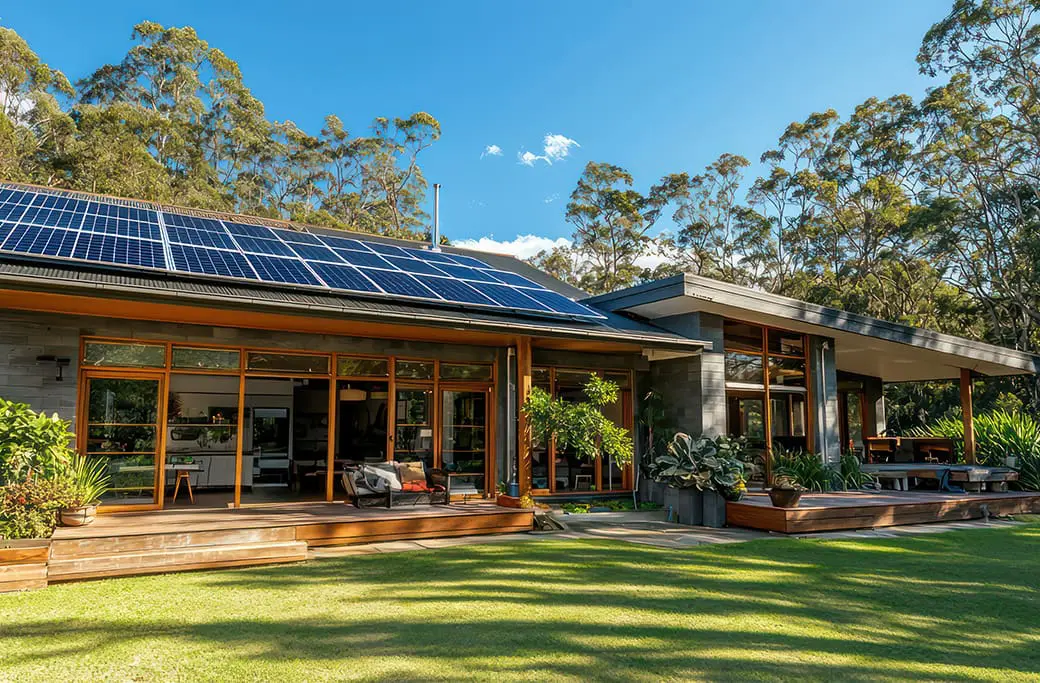
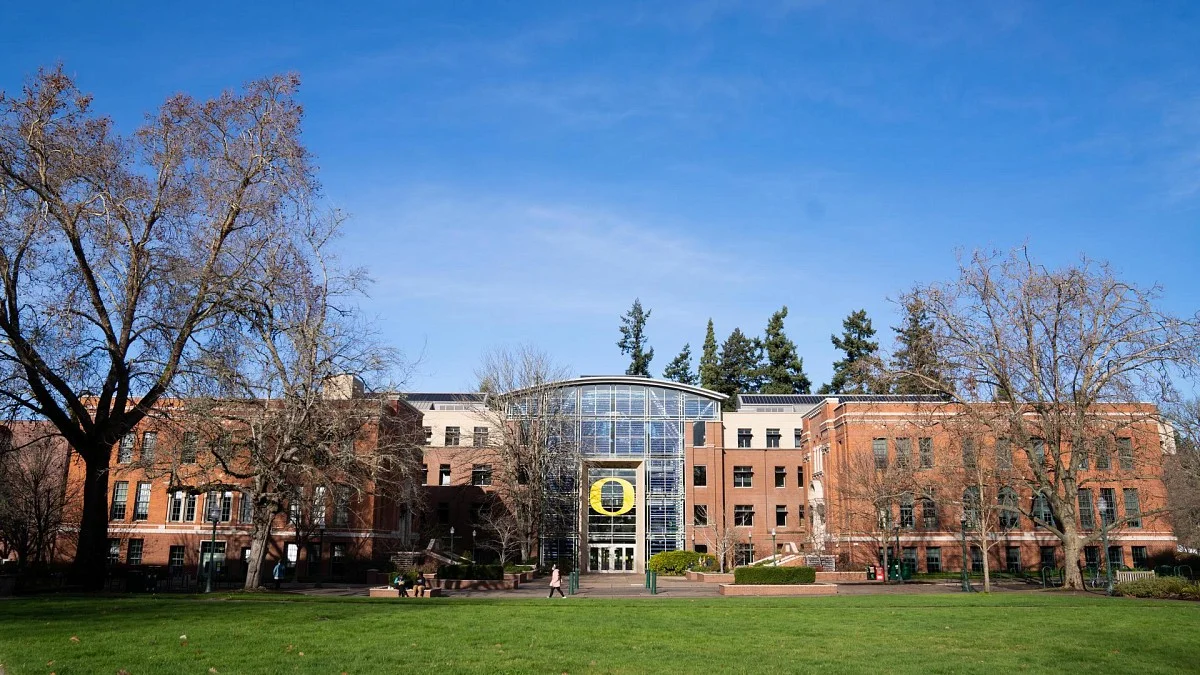
A buyer can feel Eugene’s housing mood before touring the first kitchen. The city has a long habit of treating climate, land, and daily comfort as part of the same conversation, so green certified homes are no longer a side category for niche shoppers. They sit near the center of what many local buyers now want: lower bills, cleaner indoor air, quieter rooms, and a home that does not feel wasteful from the first winter storm. That matters in a market where new supply has to work harder for each household, and where older homes often need thoughtful upgrades. For buyers comparing neighborhoods, cost, and long-term value, local housing market insights can help frame why sustainability is not decoration here. It is part of the purchase math. Eugene sustainable housing demand is not built on slogans alone. It grows from a practical question: can the home carry your values without punishing your budget or shrinking your options?
Eugene Buyers Are Treating Sustainability as a Daily Cost Question
Eugene has a strong environmental identity, but buyers are not walking through open houses with only climate ideals in mind. They are looking at monthly payments, winter heat, summer smoke, maintenance, and resale. That mix creates friction. A charming older bungalow may win the heart, then lose ground when a buyer thinks about insulation, drafty windows, or an old gas furnace. The tour becomes part romance and part audit, which is exactly how serious local buyers tend to shop. A newer townhouse may look simpler, then raise questions about materials, ventilation, and summer cooling. The smarter buyer does not ask, “Is this house eco-minded?” They ask, “What will this place cost me to live in for the next ten years?”
Why utility bills now shape offer decisions
A lower purchase price can hide a higher life cost. That is the small trap some Eugene buyers are learning to spot. A home with weak insulation, aging ducts, and single-pane windows may look affordable on the listing page, yet feel expensive by the second winter. The monthly bill becomes part of the mortgage in the buyer’s mind. That shift is subtle, but it changes offer behavior. Buyers start comparing the full cost of occupancy, not the list price alone.
Energy efficient homes change that conversation. They do not remove housing pressure, and they do not make a high-rate mortgage painless. Still, they can give a buyer a cleaner estimate of what life in the home may feel like. Better windows, heat pumps, attic sealing, and efficient water heating all move the decision away from guesswork. They also help a buyer explain the purchase to a spouse, parent, or lender who may be focused on the headline price.
The counterintuitive part is that some buyers will accept less cosmetic polish when the building shell is strong. This is where Eugene differs from markets that chase spectacle. A dated countertop can wait. A leaky envelope cannot. In a city where rain, damp mornings, and wildfire-season air concerns all matter, hidden performance can outrank the photo-friendly upgrades sellers love to show.
The Eugene buyer profile is more practical than outsiders assume
People outside Oregon sometimes imagine the local buyer as driven only by ideals. That misses the point. Eugene shoppers can care about carbon and still be hard-nosed about repair costs. A nurse at PeaceHealth, a University of Oregon employee, or a remote worker moving from Portland may all want a lower-impact home for different reasons.
One buyer may want solar-ready roof lines. Another may focus on indoor air quality because smoke season has made filtration feel less optional. A third may care about walkability near Friendly, South Eugene, or the Whiteaker because driving less is part of the household budget. These are not abstract choices. They show up in what buyers notice during tours.
This is why Eugene sustainable housing has a wider audience than the word “sustainability” suggests. It is not only for the buyer who reads every building label. It is also for the parent who wants fewer drafts in a child’s bedroom, the retiree who wants steady bills, and the first-time buyer who does not have spare cash for surprise repairs.
Why Green Certified Homes Match Eugene’s Buyer Culture
A certification matters most when buyers trust what it signals. In Eugene, that signal fits the local culture because it turns a vague promise into a more concrete claim. It also helps agents talk about building quality without sounding like they are selling a moral badge. That matters because buyers can smell vague virtue talk from across the porch. Buyers hear a lot of listing language: “updated,” “efficient,” “eco-conscious,” “low-maintenance.” Some of it means something. Some of it means fresh paint. A recognized standard gives the buyer a better place to start. It does not end the due diligence, but it gives the tour a cleaner set of questions. Instead of asking whether the house is “green,” the buyer can ask what was tested, who verified it, and how the systems have performed.
Certifications reduce doubt in an older housing market
Many Eugene homes were built before current energy expectations took hold. That does not make them bad homes. In fact, some of the most loved houses in the city have old wood floors, smaller footprints, deep porches, and mature trees. The issue is that age can make performance harder to judge during a short showing.
A certification helps lower the buyer’s doubt. It can point to better insulation, efficient systems, safer materials, or verified performance. The buyer still needs inspections, records, and common sense. Yet the label can separate a true performance-focused home from one that only borrowed the language. This matters in a town where listing descriptions can sound alike after the fifth open house.
Here is the odd thing: a certified smaller home may beat a larger standard home for some Eugene shoppers. More square footage sounds better until the buyer imagines heating it, cleaning it, and paying for upgrades. In a market shaped by careful budgets, a smaller home that performs well can feel like the more mature purchase. The buyer is not giving up value. They are choosing the part of value they will feel each morning.
Local values turn building details into resale language
A home feature only gains market power when future buyers understand it. Eugene gives sellers a stronger audience for that story. A heat pump, solar panels, low-VOC finishes, induction cooking, rain-smart landscaping, and tight insulation can all become resale language when buyers already care about the outcome.
That does not mean every green upgrade pays back in a clean dollar-for-dollar way. Real estate is messier than that. Timing, neighborhood, buyer education, and the quality of the installation all shape the outcome. A buyer might value a heat pump more during a smoky August. Another might value solar more after utility rates rise. A third might care most about a dry, well-vented crawl space because Oregon moisture has taught them caution.
For homeowners planning updates, an Oregon energy-efficient home checklist can help sort visible upgrades from deeper performance work. The less obvious lesson is simple: the best resale feature may be the one no guest notices. Comfort sells quietly before price does.
Housing Supply Pressure Makes Sustainable Features Stand Out
Eugene’s housing challenge gives energy performance more weight. The City of Eugene has said local production must rise to meet expected growth and unmet need, with the State of Oregon Housing Needs Analysis pointing to a far higher annual production need than recent permitting averages. That pressure does not make buyers careless. It makes them sharper. Scarcity can push people to move fast, but it also makes them more aware of the cost of choosing wrong. When supply is tight, buyers compare imperfect options. A home with lower operating costs can pull ahead even when it is not the newest listing. The winning offer is often about the fewest future headaches, not the loudest first impression. In this kind of market, boring documentation can beat dramatic staging.
Limited inventory rewards homes that feel move-in ready
Move-in ready does not always mean shiny. In Eugene, it can mean a home where the buyer does not have to start with weatherization, electrical planning, or heating changes. A house can have ordinary cabinets and still feel ready if the bones are dry, tight, and efficient. Buyers who have priced insulation, panel work, or a heat pump install know how fast “later” becomes expensive.
Energy efficient homes gain an edge here because they lower the number of urgent questions after closing. Will the house stay warm? Will the upstairs cook in July? Will the crawl space smell damp after a week of rain? Will the old furnace become next winter’s emergency? These questions sit in the back of a buyer’s mind.
The non-obvious insight is that sustainability can reduce decision fatigue. A buyer who has toured ten homes may not remember every backsplash, but they remember the house where the mechanical systems made sense. Buyers do not always pay more because they are inspired. Sometimes they pay more because they are tired. A home with better systems, clearer records, and lower expected energy strain lets them stop bracing for the next repair.
Builders and remodelers face a tougher buyer
New construction in Eugene cannot rely only on fresh finishes. Buyers are learning to ask sharper questions. They have read enough utility bills, rebate forms, and inspection notes to know that new does not always mean efficient. They also know that incentives can help with upgrades, but paperwork and timing still require discipline. What is the heating source? How tight is the envelope? Is the home wired for future solar or EV charging? How will the house handle heat waves, smoke, and rising energy costs?
That pushes builders and remodelers to think past the sale photo. A kitchen island still helps, but it is not enough. The buyer wants a home that photographs well and behaves well. Buyers want proof that the home will live well after the staging furniture leaves. Oregon eco friendly properties that show a clear link between comfort, bills, and climate fit that demand better than homes that only look new.
For sellers, this also changes how listing copy should be written. “New HVAC” is weaker than explaining the system type, age, efficiency, and comfort benefit. A home seller upgrade planning guide can help owners decide which improvements deserve space in a listing. Specifics beat mood words. This is where a good seller can stand apart from a competing listing with the same square footage.
Neighborhood Choice Is Becoming Part of the Green Home Decision
A green home does not exist in a vacuum. In Eugene, location can support or weaken the sustainability story. The house and the neighborhood work together, even when the listing treats them as separate selling points. A high-performing house far from daily needs may still require more driving than the buyer wants. A modest home near parks, bike routes, groceries, and transit may feel greener in practice, even if it has fewer showcase features. That can make location the quiet partner in the energy conversation. A well-sited home can reduce trips without asking the owner to turn daily life into a project.
Walkability and bike access change the value equation
Eugene’s bike culture gives certain neighborhoods a built-in advantage. A buyer near the Ruth Bascom Riverbank Path, downtown, the University of Oregon, or neighborhood commercial pockets may see lower car dependence as part of the home’s value. That benefit does not always show up in the appraisal line by line, but it shows up in daily life. Less driving can mean less fuel, less parking stress, and more time reclaimed from short errands.
For some households, one fewer car trip matters more than a fancy appliance. That sounds small until you add school runs, groceries, work commutes, and weekend plans. A home that makes daily errands shorter can feel lighter on both the budget and the household schedule. For a two-worker household, that can matter as much as one more bedroom. It is not glamorous, but the calendar feels it.
This is where Oregon eco friendly properties become more than building products. The property includes the pattern of life around it. A tight envelope is good. A tight envelope near a safe bike route, shade trees, and useful local services is stronger.
Climate comfort now includes smoke, shade, and resilience
Eugene buyers are also thinking about comfort in a broader way. The old checklist of roof, plumbing, and school district has not vanished, but the weather questions are louder now. A decade ago, many shoppers focused on winter dampness and heating. Now more buyers also ask how a home handles hot days and wildfire smoke. That makes shade, air sealing, filtration, and cooling systems part of the housing conversation.
The City of Eugene’s building decarbonization guidance connects building choices with energy costs, indoor air, and comfort during extreme weather. That is the right frame for buyers. The greenest home on paper can still disappoint if it feels stuffy, overheated, or hard to filter when the air outside turns poor.
A practical example: a South Eugene home shaded by mature trees, fitted with a heat pump, and sealed well may feel better than a larger home with more sun exposure and weaker filtration. The surprise is that resilience can be quiet. You notice it when the house stays calm while the weather outside gets rough. That kind of comfort can turn a practical purchase into a home people keep longer.
Conclusion
Eugene’s housing market rewards homes that solve real problems, not homes that only carry a pleasant label. The strongest properties meet buyers at the point where values, budget, and comfort overlap. That overlap is where demand becomes durable instead of trendy. Buyers still care about price, location, layout, schools, commute patterns, and neighborhood feel. Yet the meaning of value has widened. A house that costs less to run, breathes better, and stands up to seasonal stress can compete with homes that appear more polished at first glance. The next chapter for green certified homes in Eugene will be shaped by this practical mindset. Sellers who document performance will have a stronger story. Builders who treat efficiency as a baseline will meet the market sooner. Buyers who look past surface finishes will make calmer decisions. They will ask better questions before the inspection clock starts. The winning home will not always be the flashiest one. It will be the one that feels steady after the tour ends, after the first bill arrives, and after the first hard weather week tests the walls.
Frequently Asked Questions
Are sustainable homes in Eugene worth paying more for?
They can be worth it when the price reflects lower operating costs, better comfort, and fewer early upgrades. The key is proof. Ask for utility history, certification records, system ages, and inspection details before assuming the premium makes sense.
What features should buyers look for in energy efficient homes?
Start with insulation, windows, air sealing, heat pump systems, water heating, ventilation, and solar readiness. Cosmetic updates are easier to add later. Building performance is harder to fix after closing, so it deserves more attention during the offer stage.
Is Eugene sustainable housing only for high-income buyers?
No. Higher-end listings often advertise the features louder, but modest homes can perform well too. Smaller square footage, good insulation, efficient heating, and a walkable location can lower costs without requiring a luxury purchase.
Do Oregon eco friendly properties sell faster?
Some may sell faster when the local buyer pool understands the value and the seller explains the features well. Speed still depends on price, location, condition, financing, and inventory. A weak listing description can hide strong upgrades.
How can sellers prove a home is energy efficient?
Share certification documents, permits, utility records, appliance details, contractor invoices, and inspection reports. Buyers trust specifics more than claims. A listing that names the system, age, and benefit will usually read stronger than one using vague green language.
Are solar panels a strong selling point in Eugene?
They can help when they are owned, maintained, and explained clearly. Buyers will want to know production history, roof age, warranty terms, and any financing tied to the panels. A confusing solar agreement can slow interest.
What Eugene neighborhoods appeal to sustainability focused buyers?
Areas with bike access, parks, local services, mature trees, and shorter commutes often appeal to these buyers. Parts of South Eugene, Friendly, Whiteaker, Jefferson Westside, and River Road may draw attention, but each property still needs its own review.
Should first-time buyers choose a green home over a cheaper fixer?
A cheaper fixer can work if the buyer has cash, time, and patience for upgrades. Many first-time buyers underestimate repair costs. A better-performing home at a higher price may be safer if it lowers surprise expenses after closing.